Introduction: A Revolution in Competitive Entertainment
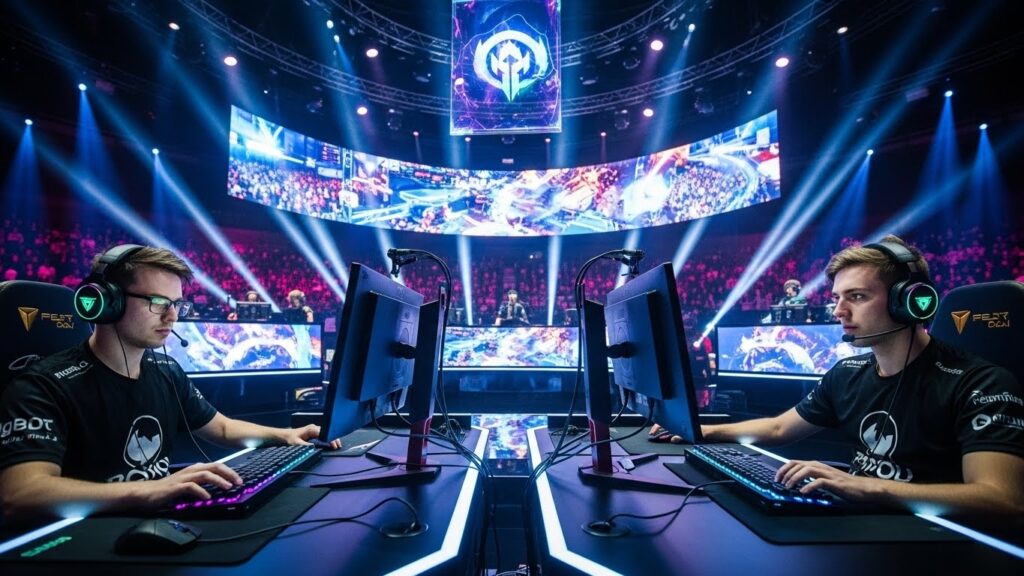
Esports, short for electronic sports, has come a long way from its humble beginnings as a casual pastime for gamers. What started as small, localized competitions has now exploded into a global industry worth billions, with millions of fans watching live streams, attending events, and supporting professional players. Esports has transformed from a niche hobby into a professional sports discipline, attracting players, fans, and investors alike. The rise of esports is not just a trend; it represents a fundamental shift in the way people engage with competitive entertainment.
In this blog post, we’ll explore the origins, growth, and impact of esports on the world. We’ll also dive into its various game genres, the professionalization of esports, and the challenges the industry faces as it continues to expand.
The Early Days of Esports: From Local Tournaments to Global Phenomenon
Esports traces its roots to the early days of multiplayer gaming, when people first began to connect with each other via local area networks (LAN) or over the internet. In the 1990s, titles like Quake, StarCraft, and Warcraft set the stage for competitive gaming. Players could challenge each other in intense, strategic matches, and the idea of organized competition began to take shape.
The first true esports tournament took place in 1997 with the Red Annihilation tournament for the game Quake. This event, which featured hundreds of players and a grand prize of a Ferrari, was a landmark moment in the history of esports. The success of Red Annihilation and other early tournaments paved the way for the creation of professional leagues and global events.
By the early 2000s, organizations like Major League Gaming (MLG) and World Cyber Games (WCG) were formed, hosting large-scale competitions and helping establish esports as a legitimate form of entertainment. These tournaments were the starting point for what would eventually grow into a worldwide industry, with millions of players competing in leagues and events across a range of games.
Esports Genres: A Diverse Range of Competitive Play
Esports encompasses a broad spectrum of gaming genres, each with its own appeal and competitive format. These genres not only attract different types of players but also cater to a wide variety of audiences. Let’s take a look at some of the most popular game genres in the esports scene.
Multiplayer Online Battle Arenas (MOBAs): Strategy and Teamwork
MOBAs, such as League of Legends (LoL) and Dota 2, are the flagship titles of the esports world. In these games, two teams of five players face off against each other, controlling heroes with unique abilities. The goal is to destroy the opposing team’s base while defending your own. MOBAs are highly strategic games, requiring precise teamwork, quick decision-making, and mastery of in-game mechanics.
League of Legends has grown into one of the most successful esports titles worldwide. The annual LoL World Championship draws millions of viewers and has become a cultural phenomenon. Similarly, Dota 2’s The International tournament boasts prize pools of over $40 million, attracting top players from around the globe.
First-Person Shooters (FPS): High-Speed Action
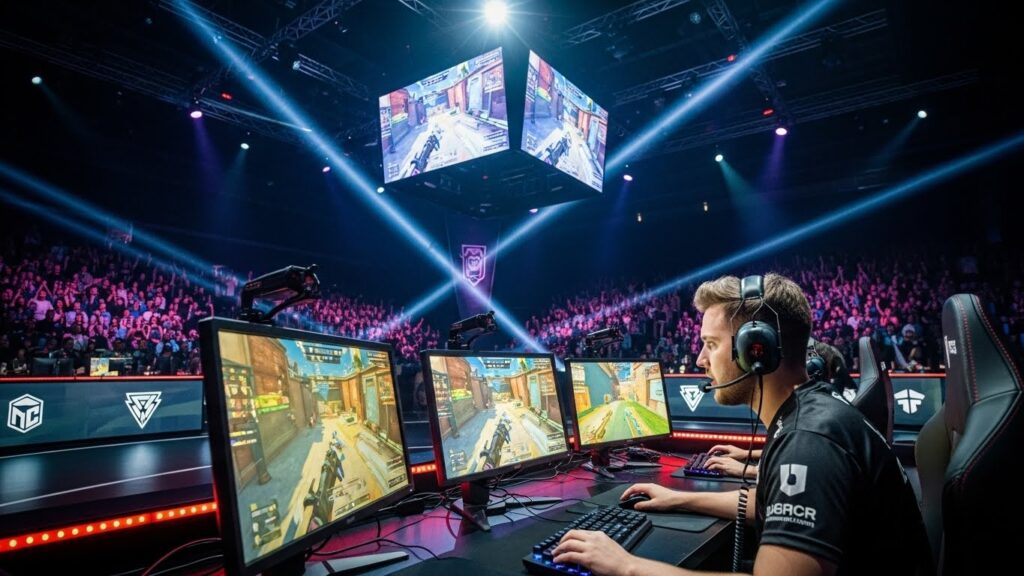
First-person shooter (FPS) games, such as Counter-Strike: Global Offensive (CS: GO), Call of Duty, and Valorant, bring intense, fast-paced action to the esports arena. In FPS games, players engage in gunfights, often with tactical objectives like planting bombs or rescuing hostages. These games emphasize quick reflexes, accuracy, and team coordination.
CS: GO is one of the longest-running esports titles, with a dedicated community of players and fans. Tournaments like ESL One and DreamHack regularly feature CS: GO, attracting top teams and enormous audiences. Valorant, developed by Riot Games (the same studio behind League of Legends), has quickly become another favorite in the FPS genre, known for its unique blend of gunplay and hero-based abilities.
Battle Royale: The Fight for Survival
The Battle Royale genre, popularized by games like Fortnite and PUBG (PlayerUnknown’s Battlegrounds), has brought a fresh twist to competitive gaming. In these games, a large number of players are dropped into a shrinking map where they must scavenge for weapons, resources, and fight to be the last one standing. The unpredictability of the genre makes it both exciting to play and to watch.
Fortnite, with its massive fanbase and free-to-play model, revolutionized esports by introducing live events, in-game concerts, and crossover content with popular culture icons. Competitive Fortnite tournaments, such as the Fortnite World Cup, have attracted millions of viewers and huge prize pools. PUBG remains another dominant force in the Battle Royale space, with high-stakes tournaments held across the globe.
Sports Simulation Games: Virtual Sports for Digital Athletes
Esports is not limited to traditional video games; sports simulation games such as FIFA, NBA 2K, and Madden NFL have found their place in the competitive gaming world. These games replicate real-world sports, allowing players to control virtual athletes and teams. The appeal of these games is undeniable for fans of traditional sports, offering them a chance to engage with their favorite sports in a new, digital form.
FIFA, for example, has established its own competitive scene, with professional players competing in international tournaments for the chance to win substantial prize money. Similarly, NBA 2K has gained popularity as a competitive esports title, with leagues like the NBA 2K League attracting both players and fans.
The Professionalization of Esports: Players, Teams, and Careers
Esports is no longer a hobby for a select few; it’s now a legitimate career path for highly skilled players. Just like traditional athletes, esports players dedicate countless hours to perfecting their craft, training, and competing in high-stakes tournaments. The professionalization of esports has led to the rise of esports organizations, where players sign contracts, receive salaries, and participate in team activities.
Esports teams are structured similarly to traditional sports teams. These organizations recruit players based on their skill and potential, often signing them to multi-year contracts. Players receive coaching, participate in team practice sessions, and engage in regular competitions. Teams like Cloud9, Team Liquid, Fnatic, and SK Telecom T1 are household names in the esports world, with rosters consisting of some of the best players across various games.
Players in top-tier esports leagues can earn significant salaries, often in the six-figure range, from both tournament winnings and team contracts. Prize pools for major esports tournaments are also reaching new heights, with events like The International for Dota 2 and LoL Worlds boasting prize pools of tens of millions of dollars. Beyond tournament winnings, esports players also generate income through sponsorships, merchandise sales, and streaming on platforms like Twitch.
The Role of Streaming in Esports Growth
The rise of streaming platforms has been one of the most significant drivers of esports’ growth. Twitch, YouTube Gaming, and Facebook Gaming provide gamers with a platform to broadcast their gameplay, interact with viewers, and build a fanbase. These platforms have allowed esports players and organizations to reach millions of people worldwide, even outside of traditional tournaments.
Streaming has become an essential part of esports. Not only do fans watch their favorite players in real-time, but they also engage in discussions, watch tutorials, and support content creators through donations and subscriptions. In turn, this creates a cycle of growth where fans feel more connected to the players, further fueling the popularity of esports.
Top-tier esports players often have millions of followers on their streaming channels. Their ability to engage with fans and build a personal brand has become an integral part of their success. Streamers like Ninja and Shroud, who started their careers as professional players, have become global celebrities in their own right, with millions of followers on platforms like Twitch and YouTube.
The Global Appeal of Esports: Uniting a Worldwide Audience
Esports has broken down traditional barriers and created a truly global platform for competition. Unlike traditional sports, which can be limited by geographic and cultural boundaries, esports transcends borders. Players from all over the world can compete against each other in online tournaments, and fans from any corner of the globe can watch live broadcasts in multiple languages.
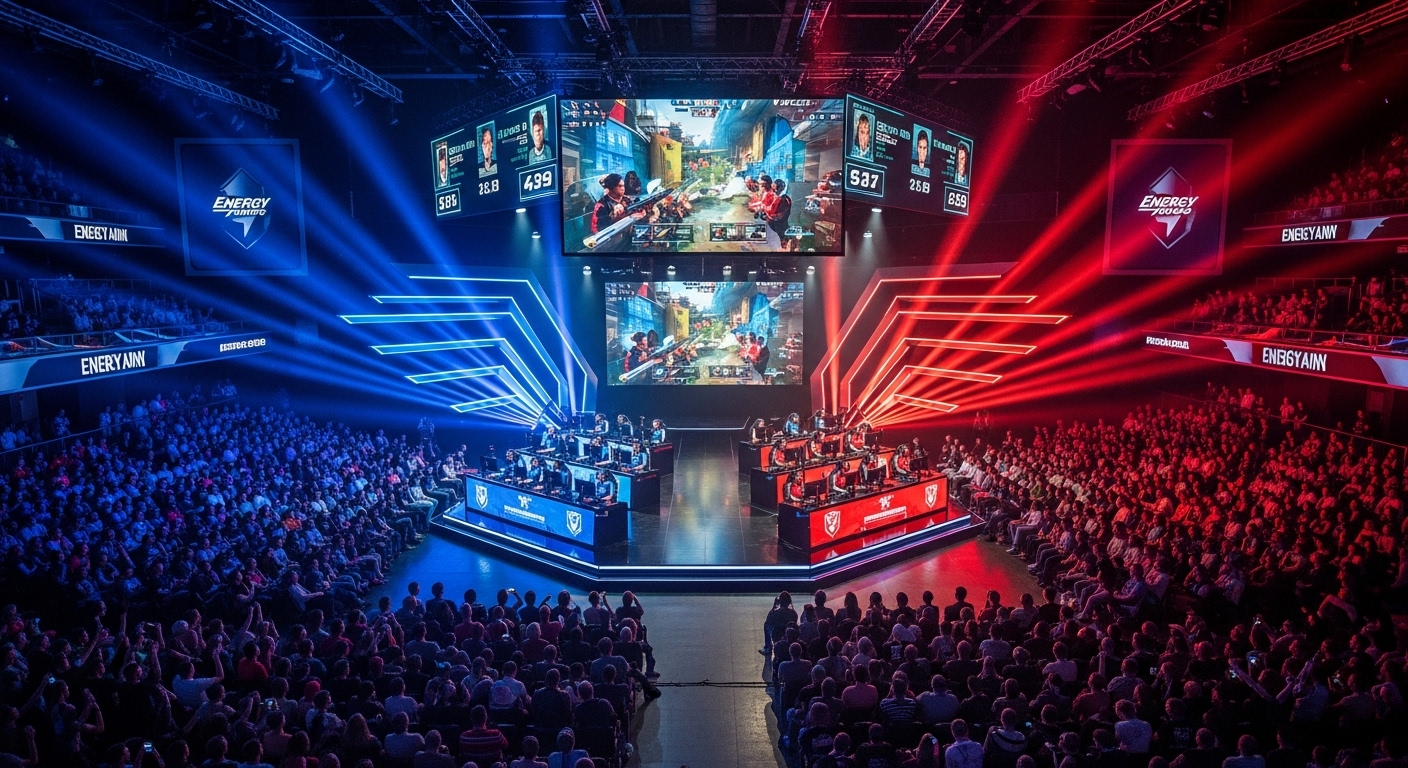
One of the most exciting aspects of esports is its international appeal. Major tournaments like the League of Legends World Championship, The International for Dota 2, and CS: GO’s ESL Pro League bring together players, fans, and sponsors from every continent. These events are streamed to millions of viewers, with local viewing parties, fan meet-ups, and watch events further building the sense of community around esports.
In recent years, esports has seen increasing support from countries around the world, particularly in Asia, Europe, and North America. Cities like Seoul, Los Angeles, and Berlin have become hubs for esports, hosting major tournaments and supporting professional teams. The global nature of esports makes it a truly unique and inclusive form of entertainment.
The Challenges Ahead for Esports
As esports continues to grow, it faces several challenges that could impact its long-term sustainability.
Player Burnout and Mental Health
The intense training schedules and high-pressure environment can take a toll on players’ mental and physical health. Esports players often train for hours every day, leading to stress, anxiety, and even burnout. Addressing mental health issues within the esports community is an ongoing effort, with some organizations offering counseling and wellness programs to help players manage the pressures